1

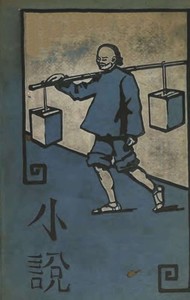
Rice Papers — Inside the Classic
8
3
Project Gutenberg
2018
Short stories; China -- Fiction
Readers of public-domain and historical texts
Project Gutenberg digital edition
en
Edition facts
Words: 38,975
Reading time: 170 min
Text sections: 12
Source:
Project Gutenberg record #56437
Nine linked stories set on a British gunboat in China, framed by a narrator who recounts tales to children. The work alternates between the humid, muddy river setting and the embedded narratives of Chinese characters, blending adventure, trickery, and cultural observation.
Editorial Edition Score
4.7/5
★★★★★
★★★★★
Calculated from edition completeness, EPUB availability, text structure and catalogue metadata. Not a user rating.
Edition quality
The collection opens not with a story but with a frame: a gunboat anchored in a muddy Chinese river, the sun setting over paddy-fields and sweating boatmen. The narrator, a naval officer, tells tales to two children, Jack and Dorothy, on the verandah. This structure—a Western setting enclosing Chinese stories—shapes the entire work. The opening paragraph dwells on sensory detail: the rattle of winches, the creak of mat sails, the splash of stone-weighted anchors. The air is heavy, the river described as "pea-soup." These physical textures recur throughout, grounding the fantastical or moral tales in a specific, humid world.
A Frame of Two Worlds
The book’s structure depends on a clear separation between the frame narrative and the embedded tales. The frame is set on the gunboat, where the narrator speaks to Jack and Dorothy; the tales are told by Chinese characters—Hong, a former actor, and others—who appear as guests or servants. In "The Punishment of Hong," the narrator’s story is interrupted by the Consul’s arrival, and the scene shifts back to the verandah: "a small figure can be seen fleeing across the lighted verandah." This movement between worlds is deliberate. The frame provides a Western, domestic lens—children, amahs, dog-carts—while the tales offer a Chinese perspective, often involving magistrates, trickery, and moral dilemmas. The contrast is not merely scenic but structural: the reader is always aware of the listener, which shapes how the tales are told.
Recurring Images of Heat and Mud
The physical environment is insistently present. The opening describes "the mud-laden river" and "copper-coloured backs of the sweating Chinese boatmen." This imagery of heat, humidity, and mud recurs across the excerpts. In "The Punishment of Hong," the narrator recalls a trial where bones are tested with blood; the setting is a village, but the same oppressive atmosphere is implied. The frame’s "heavy damp air" and "pea-soup" river create a sensory baseline. Even the puppy in "The Melancholy Magistrate of Foh Lin" is described with physical precision—"diminutive square black bear," "beady eyes, like animated boot buttons"—tying the comic to the tangible. These details are not decorative; they anchor the stories in a specific, material world, making the moral or fantastical elements feel grounded.
Movement Between Voices
The narrative voice shifts between the frame’s colloquial English and the tales’ more formal, sometimes archaic register. In the frame, the narrator uses casual asides: "Undoubtedly our friends have experienced all these social joys in their time." The tales, however, adopt a different tone. In "The Punishment of Hong," the Chinese character speaks in measured, almost legalistic sentences: "In the tenderest manner I bade him farewell." This shift is not consistent—the tales are still filtered through the narrator—but it marks a change in perspective. The frame also includes interruptions: the sound of wheels, the amah’s scolding, a child’s kiss. These breaks remind the reader that the tales are being performed, not simply read. The movement between voices—officer, Chinese storyteller, child listener—creates a layered narrative structure.
The Puppy and the Magistrate: Comic Relief
Not all of the book is serious. The excerpt from "The Melancholy Magistrate of Foh Lin" introduces a comic puppy that "certainly possessed a sense of humour." The description is playful: the puppy’s tail curled so tightly it seemed to lift his hind feet, his front legs set so he might "tumble on his nose." This comic interlude contrasts with the darker tales of punishment and trial. The puppy appears in a story about a magistrate, suggesting that humor is used to offset the gravity of Chinese officialdom. The frame itself includes light moments—Jack’s whispered request for a story about "real fighting"—which balance the more intricate plots. The book’s structure thus alternates not only between frame and tale but between tones: the comic and the serious, the domestic and the exotic.
The collection’s structure—a frame narrative with embedded tales—invites the reader to consider how stories are told and received. The interruptions, the shifts in voice, and the recurring physical details all contribute to a work that is as much about storytelling as about China. Readers may find it useful to pay attention to these structural choices, which reveal the author’s craft more than the plots themselves.
Reader reflection
Record your reading impressions
A brief reflection can help important ideas stay with you longer.
Your progress
0
/
10
2
What was your overall reaction to the book?
3
How likely are you to recommend this book?
4
How demanding did the text feel?
5
Which aspect of the book did you value most?
6
How would you rate its originality?
7
Was the book easy to understand?
8
How well did it match your expectations?
9
What did this book teach you most?
10