
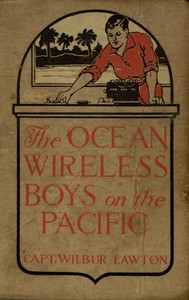
The Ocean Wireless Boys on the Pacific by John Henry Goldfrap
Let's set the scene: it's 1913. Wireless telegraphy—what we'd call radio—is the absolute height of cool, cutting-edge tech. Aboard the steamship Columbia, two young operators, Jack Ready and Frank Merritt, are the guys who make this magic happen, tapping out messages across the vast, empty Pacific.
The Story
Their routine trip gets a serious jolt when they pick up a mysterious, coded transmission. This isn't your average weather report. It's clearly a secret, and it's meant for someone on their ship. Before they can figure it out, their wireless cabin is broken into and their equipment is sabotaged. Jack and Frank realize they've stumbled into something big and dangerous. Now, they're not just operators; they're detectives. They have to figure out who the spy is among the passengers and crew, all while trying to repair their radio to call for help or warn someone. The ocean outside is immense, but the real threat is locked inside the ship with them.
Why You Should Read It
What I loved most was the sheer enthusiasm for technology. Goldfrap writes about vacuum tubes and spark-gap transmitters with the same awe we'd have for a new smartphone. The radio isn't just a plot device; it's a character. The friendship between Jack and Frank feels genuine—they're smart, resourceful, and in way over their heads. The mystery keeps you guessing, and the setting is fantastic. You can almost smell the salt air and hear the hum of the ship's engines under the crackle of static. It's a perfect snapshot of a time when the world was getting smaller, one wireless signal at a time.
Final Verdict
This book is a total time-capsule adventure. It's perfect for anyone who loves classic, straightforward adventure stories, fans of maritime history, or readers curious about the early days of communication tech. If you enjoy the Hardy Boys or old pulp serials, you'll feel right at home. Just go in knowing it's from 1913—the pacing and style are of its era, but that's part of its charm. It’s a quick, exciting trip to a world where a simple Morse code message could be the difference between safety and disaster.
Legal analysis indicates this work is in the public domain. Access is open to everyone around the world.
Kimberly Anderson
11 months agoMy first impression was quite positive because the objective evaluation of the pros and cons is very refreshing. Well worth the time invested in reading it.
Jessica Brown
1 month agoThe layout of the digital version made it easy to start immediately, the critical analysis of current industry standards is very timely. I’ll definitely be revisiting some of these chapters again soon.
William Johnson
2 months agoThe citations provided are a goldmine for further academic study.
Mary Johnson
1 year agoI was skeptical about the depth of this book at first, but the case studies and practical examples provided add immense value. Definitely a five-star contribution to the field.








Paul Martin
6 months agoI appreciate the objective tone and the evidence-based approach.